Getting Started with Parks On The Air: A Beginner's Guide
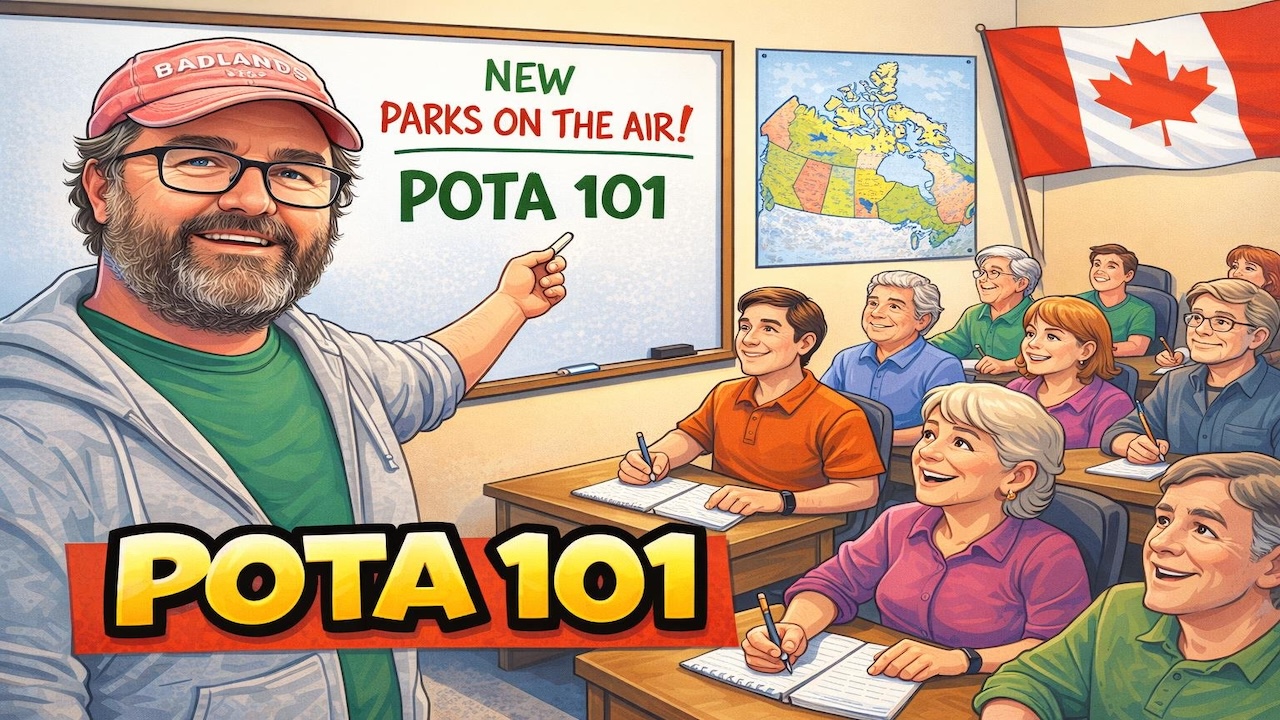
If you've been around amateur radio circles recently, you've likely heard the buzz about Parks On The Air (POTA). This wildly popular activity has taken the ham radio world by storm, combining our love of radio with the beauty of the great outdoors. Whether you're a brand-new operator or a seasoned veteran looking for a fresh challenge, POTA offers something special for everyone.
A Brief History of Parks On The Air
Parks On The Air didn't appear overnight—it has an interesting history rooted in the evolution of portable amateur radio operations. The program we know today actually emerged from the merger of several earlier park-based amateur radio programs.
The story begins with programs like National Parks On The Air (NPOTA), which was a special year-long event in 2016 celebrating the 100th anniversary of the U.S. National Park Service. NPOTA was incredibly successful, generating massive participation and showing just how hungry hams were for an organized outdoor operating activity.
Around the same time, programs like WWFF (World Wide Flora and Fauna) and various state park programs were gaining traction internationally and across the United States. Recognizing the enthusiasm and seeing an opportunity to create something lasting, a group of dedicated volunteers came together to establish Parks On The Air as a permanent, organized program.
POTA officially launched in its current form in 2017, building on the momentum and lessons learned from NPOTA. The program expanded beyond just national parks to include state parks, provincial parks, national forests, wildlife refuges, and many other types of protected lands and historic sites. This expansion made POTA accessible to far more operators, as there were now thousands of parks available for activation across North America and beyond.
Since its inception, POTA has experienced exponential growth. What started primarily as a North American program has now expanded globally, with parks being added in countries around the world. The program's success can be attributed to its simplicity, accessibility, and the perfect blend of outdoor adventure and radio operation it provides.
Understanding the Basics
At its core, POTA is beautifully simple. Operators can participate in two ways:
- Activators travel to designated parks and set up portable stations to make contact with other hams. To successfully activate a park, you need to make at least 10 QSOs during your operation.
- Hunters (also called Chasers) make contacts with activators from any location—whether that's your home station, mobile, or even from another park (which creates the coveted "park-to-park" or P2P contact).
Both roles are equally important and equally rewarding. Many operators enjoy doing both, activating parks when they have time for an outing and hunting from home on other days.
Navigating POTA.app: Your Command Center
The heart of the POTA program is the website at pota.app. This platform serves as your central hub for everything POTA-related. Let me walk you through the essential features:
Creating Your Account
Your first step is creating a free account. This allows you to log your activations, track your contacts, and monitor your progress toward various awards. The sign-up process is straightforward—you'll need your callsign and basic information to get started.
The Spots Page
One of the most frequently used features is the Spots page. This real-time display shows you which activators are currently on the air, what park they're in, what frequency they're operating on, and what mode they're using. The spots are typically posted by the activators themselves or by hunters who find them on the air.
The Spots page updates dynamically, so you can see fresh activity as it happens. This is invaluable for hunters looking to make contacts and for activators who want to see what other parks are active (for those P2P opportunities).
Finding Parks
The Parks database is comprehensive and searchable. You can look up parks by reference number, name, location, or even browse maps to find parks near you. Each park listing includes important information like:
- Park boundaries and access points
- Historical activation data
- Whether the park is currently active for the program
- Any special notes about access or operating restrictions
This is essential for planning your first activation. I recommend starting with a park close to home that you're familiar with—it makes the logistics much easier for your first outing.
The Leaderboard
While POTA isn't primarily competitive, the Leaderboard adds a fun element by showing top activators and hunters in various categories. You can view rankings by year, all-time, state/province, and more. It's motivating to watch your own numbers climb as you participate in the program.
Understanding POTA Awards
One of the most enjoyable aspects of POTA is the awards program. These digital awards recognize your achievements and give you goals to work toward. Here are some of the basic awards to know about:
Activator Awards
- First Activation: Awarded when you complete your first park activation with 10 or more QSOs
- Activator Levels: Progressive awards (1, 5, 10, 20, 50, 100+ parks activated)
- Supporter Awards: Recognize activations in specific numbers (100, 250, 500, 1000+ activations)
Hunter Awards
- First Hunter Contact: Your first logged contact with an activator
- Hunter Levels: Progressive awards based on number of parks contacted (10, 25, 50, 100, 250, 500, 1000+)
- Centurion Awards: For working activators in 100+ different parks
Special Awards
- P2P Awards: Recognize park-to-park contacts (both operators are activating)
- Challenge Awards: Seasonal or special event awards
- Regional Awards: For working on or activating parks in specific regions
The awards are automatically tracked on your profile as you log contacts. There's something incredibly satisfying about watching your award count grow!
Tips for Your First POTA Experience
If You're Starting as a Hunter:
- Monitor the Spots page during peak activity times (weekends, early mornings, and evenings)
- Start with easier contacts—look for strong signals on modes you're comfortable with
- Don't be intimidated—POTA activators are typically very patient and welcoming to new operators
- Keep a simple log—you'll need the callsign, park reference, date, time, frequency, and mode
- Submit your logs—upload them to POTA.app to get credit for your contacts
If You're Starting as an Activator:
- Choose a nearby park for your first activation
- Start simple—you don't need elaborate equipment; many successful activations happen with basic portable rigs
- Self-spot—post your frequency on the Spots page so hunters can find you
- Be patient—it sometimes takes a few minutes for hunters to find you
- Have fun—remember that even if conditions aren't perfect, the experience of operating outdoors is the real reward
Making POTA Part of Your Ham Radio Journey
What makes POTA special is its accessibility. You don't need expensive equipment, advanced licenses, or technical expertise to participate. Some operators activate with QRP rigs running just 5 watts. Others use mobile setups or even handheld radios on VHF/UHF. The barrier to entry is low, but the enjoyment and opportunities for growth are unlimited.
POTA also creates a wonderful community. You'll find that POTA operators are generally friendly, helpful, and encouraging. The program has introduced countless new operators to HF operation, portable operations, antenna experimentation, and the joy of combining radio with outdoor activities.
For those of us who sometimes feel like amateur radio has become too focused on technology and less on getting on the air, POTA is a refreshing return to the basics—making contacts, experimenting with antennas, and enjoying the magic of radio communication.
Looking Ahead
As POTA continues to grow and evolve, new features are regularly added to the platform, more parks are being added to the database, and the community keeps expanding. Whether you're looking to explore new parks in your area, challenge yourself to activate difficult or rare locations, or simply enjoy a Sunday afternoon making contacts from a picnic table, POTA offers endless possibilities.
My advice? Don't overthink it. Visit pota.app, create an account, and either start hunting from your shack or plan a simple activation at a local park. The POTA community is waiting to welcome you, and I guarantee you'll understand why this program has captured the hearts of so many operators.
So grab your radio, head to a park, and discover what Parks On The Air is all about. I'll be listening for you!
73, VE9CF
Have questions about getting started with POTA? Drop them in the comments below or reach out on the air. And if you're looking for more detailed tutorials, check out my YouTube channel where I dive deeper into POTA operations, equipment setups, and activation strategies.
See you in the parks!